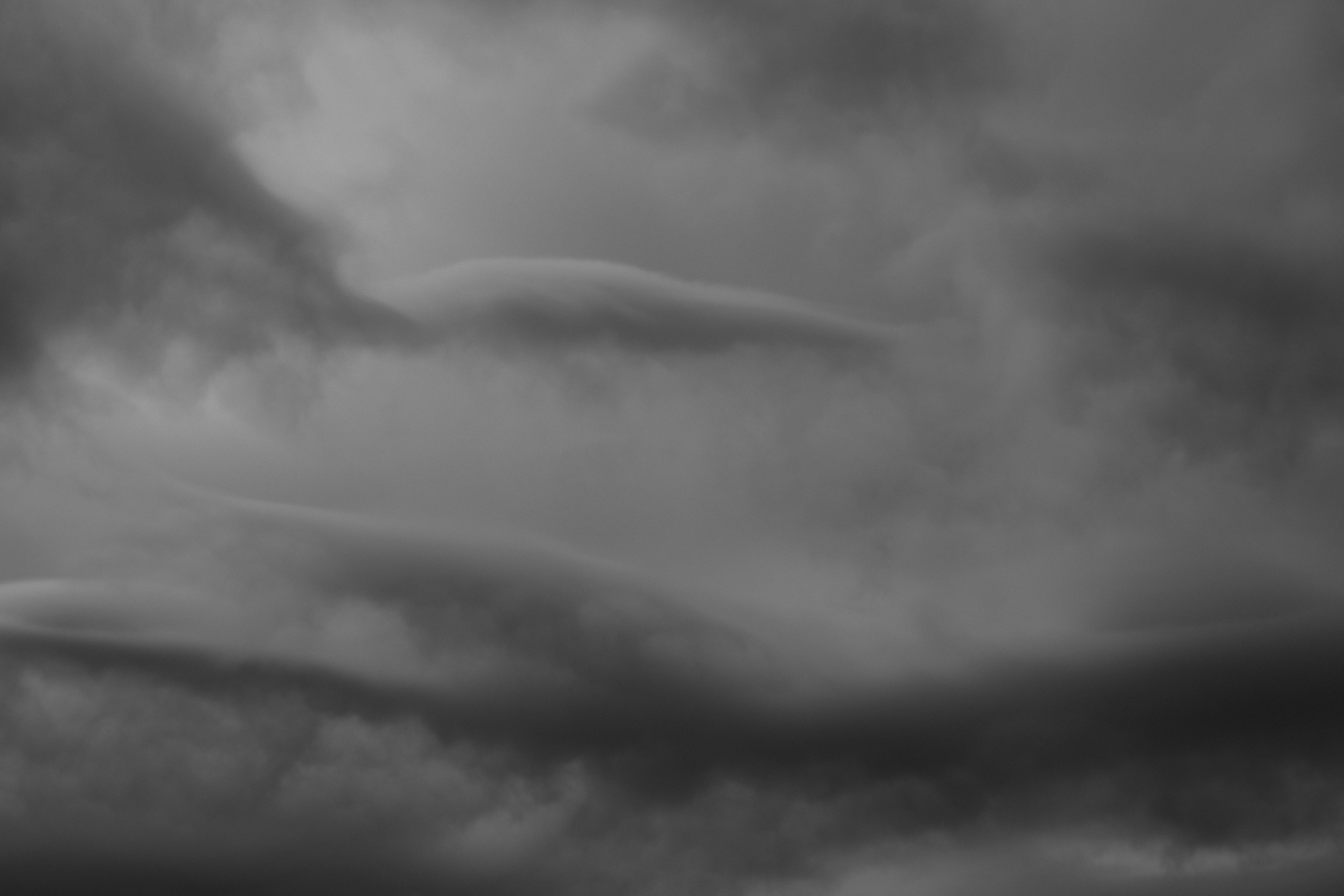
Choosing the right approach to heavenly images in the sky starts with clear context, practical filters, and realistic expectations.
Introduction to Heavenly Images
Heavenly images in the sky have captivated human imagination for centuries, inspiring art, literature, and scientific inquiry. From the vibrant colors of sunsets to the ethereal glow of aurorae, these natural wonders evoke a sense of awe and curiosity. But what are the science and mechanisms behind these breathtaking displays?
The Science of Sunsets Sunsets are one of
the most common and spectacular heavenly images in the sky. They occur when the sun's rays pass through the Earth's atmosphere, scattering shorter wavelengths of light, such as blue and violet, and leaving mainly longer wavelengths, like red and orange, to reach our eyes. This phenomenon, known as Rayleigh scattering, is responsible for the warm hues and colors we see during sunset.
Factors Influencing Sunset Colors
The colors and intensity of sunsets can vary greatly depending on several factors, including:
- Atmospheric conditions: Dust, water vapor, and pollutants in the air can scatter light and affect sunset colors.
- Cloud cover: Clouds can reflect and scatter light, adding depth and texture to sunsets.
- Angle of the sun: The position of the sun in the sky can influence the intensity and color of the sunset.
Aurorae: The Northern and Southern Lights
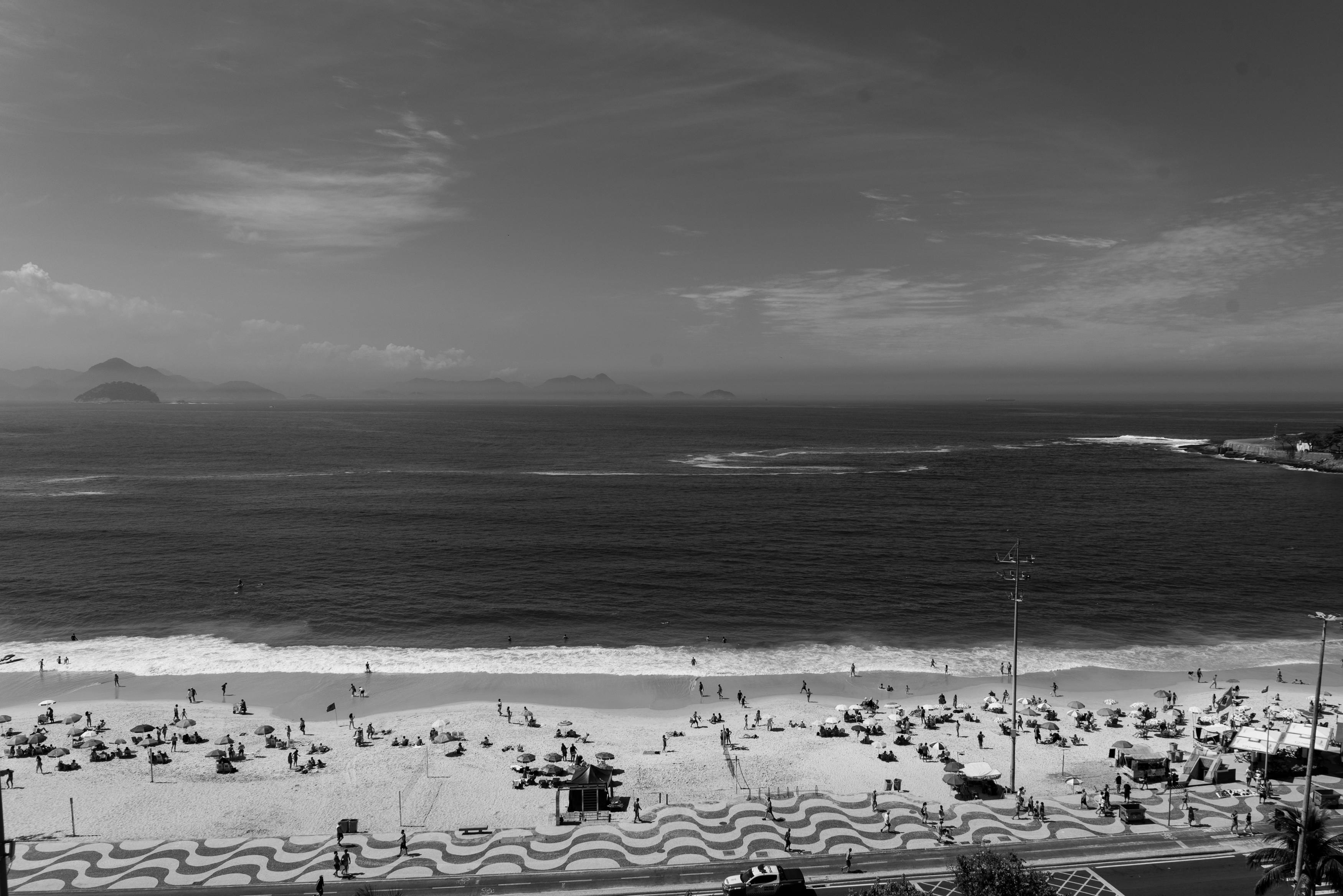
Aurorae, also known as the Northern and Southern Lights, are breathtaking displays of colored light that dance across the polar skies. These phenomena occur when charged particles from the sun interact with the Earth's magnetic field and atmosphere, causing atoms and molecules to excite and emit light.
Types of Aurorae
There are two main
types of aurorae:
- Aurora Borealis (Northern Lights): Observed in the Northern Hemisphere, typically at high latitudes.
- Aurora Australis (Southern Lights): Observed in the Southern Hemisphere, typically at high latitudes.
Cloud Formations: The Beauty of Cumulus and Cirrus Clouds are an essential component of heavenly images in the sky, with various formations and types creating unique and breathtaking displays. Cumulus and cirrus clouds are two of the most common and visually striking
cloud types.
Cumulus Clouds
Cumulus clouds are puffy, white clouds that can appear alone or in large clusters. They are often seen on warm, sunny days and can grow into towering cumulus or thunderstorms.
Cirrus Clouds
Cirrus clouds are high-level clouds that appear as thin, wispy lines or tufts in the sky. They are often seen at high altitudes and can indicate fair weather or the approach of a storm.
Meteorological Phenomena: Halos, Glories, and Rainbows In addition to sunsets, aurorae, and clouds, there are several other
meteorological phenomena that create heavenly images in the sky. These include:

- Halos: Rings of light that appear around the sun or moon, caused by ice crystals in the atmosphere.
- Glories: Circular, colorful displays that appear on the ground or on clouds, caused by the reflection of light through water droplets.
- Rainbows: Spectacular displays of color that appear in the sky after rainfall, caused by the refraction and dispersion of light through water droplets.
Capturing Heavenly Images: Tips and Tricks
Capturing heavenly images in the sky can be a challenging but rewarding experience. Here are some tips and tricks to help you take stunning photos:
- Use a tripod to stabilize your camera and avoid camera shake.
- Shoot in RAW format to capture more image data and flexibility during editing.
- Experiment with different angles and compositions to add depth and interest to your photos.
Tools and Software for Editing Heavenly Images To enhance and edit your heavenly images, you can use a variety of
tools and software, including:
- Adobe Lightroom and Photoshop
- Skylum Luminar
- Capture One
- Nik Collection
- StarStax
Common Mistakes to Avoid When capturing and editing heavenly images, there are several common mistakes to avoid, including:
- Overexposure, which can blow out highlights and lose detail.
- Underexposure, which can lead to noise and loss of color.
- Over-processing, which can introduce artifacts and unnatural colors.
Conclusion
Heavenly images in the sky are a source of inspiration and wonder, offering a glimpse into the beauty and complexity of our atmosphere.
By understanding the science behind these phenomena and using the right techniques and tools, you can capture and appreciate these breathtaking displays.