Choosing the right approach to city of heavenly fire unveiled starts with clear context, practical filters, and realistic expectations.
Introduction to City of Heavenly Fire The
City of Heavenly Fire, a concept deeply rooted in the Mortal Instruments series by Cassandra Clare, has captivated the imagination of readers worldwide. This fictional city, hidden from mortal eyes, serves as a nexus for the Shadowhunter world, a place of ancient power and wisdom. Delving into the lore and significance of the City of Heavenly Fire provides a fascinating glimpse into the intricate world-building that Clare is known for.
Historical and Cultural Significance The idea of a heavenly city is not new and has its roots in various mythologies and religious texts. The concept of a place that exists beyond the mundane world, where spirits, gods, or divine beings reside, is a common thread across cultures. In the context of the Mortal Instruments, the City of Heavenly Fire is a physical manifestation of this idea, where Shadowhunters, warriors dedicated to ridding the world of demons, find their home and purpose. Understanding the
historical and cultural antecedents of such a concept enriches the reading experience, offering depth to the narrative.
The Role of Shadowhunters Shadowhunters,

the main protagonists of the series, are human-angel hybrids that protect the world from various supernatural threats. Their connection to the City of Heavenly Fire is profound, as it is the place where they find solace, learn their craft, and are governed by the Clave, their ruling body. The city symbolizes their heritage and the burden of their responsibilities, making it a pivotal element in the story.
The World of the Mortal Instruments The Mortal Instruments series is renowned for its detailed and expansive world-building. The City of Heavenly Fire is central to this, acting as a hub for the Shadowhunter community. It is here that characters like Clary Fray,
the protagonist, discover their true identities and the extent of their powers. The city, with its ancient runes, mysterious landscapes, and hidden dangers, becomes a character in its own right, influencing the plot and character development significantly.
Exploring the City The City of Heavenly Fire, as depicted in the series, is a place of breathtaking beauty and untold wonders. From the crystal spires that pierce the sky to the silent brothers who guard its secrets, every aspect of the city is steeped in lore and magic.
Exploring this world, whether through the pages of the books or the imagination of the readers, is a journey of discovery, filled with surprises and revelations.
Impact on Modern Culture The Mortal Instruments series, with the City of Heavenly Fire at its heart, has had a significant
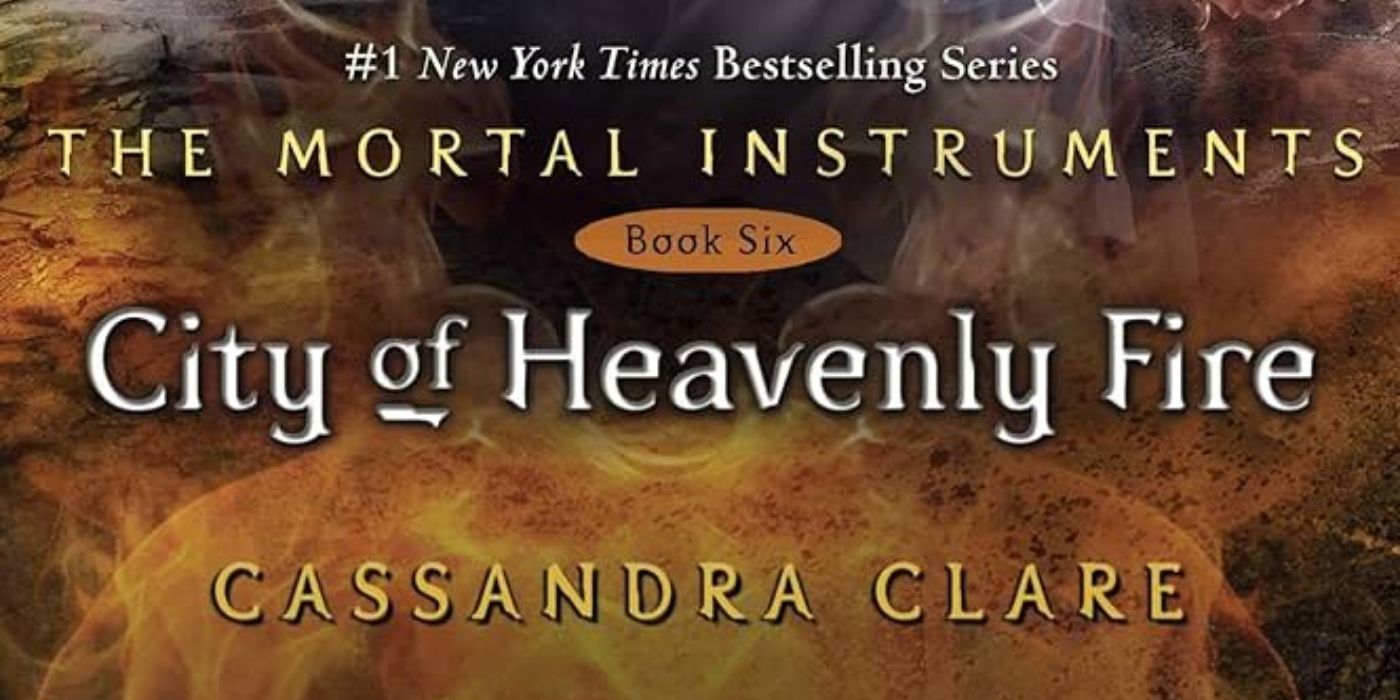
impact on modern young adult literature and culture. It has inspired countless fan art, fan fiction, and has been adapted into a film and a television series. The themes of identity, community, and the struggle between good and evil resonate deeply with audiences, making the series, and by extension the City of Heavenly Fire, a cultural phenomenon.
Common Misconceptions and Limitations
While the City of Heavenly Fire is a captivating concept, there are misconceptions about its nature and role in the series. Some readers may view it solely as a backdrop for the action, underestimating its influence on character development and plot progression. Others might overlook the historical and mythological contexts that enrich the narrative. Recognizing these misconceptions can enhance the appreciation of the series and the city's significance within it.
Practical Examples and Realistic Use Cases
For writers and world-builders, the City of Heavenly Fire serves as an excellent example of how to create immersive and detailed settings. By considering the historical, cultural, and mythological contexts, creators can craft worlds that are not only engaging but also deeply resonant with their audiences. Moreover, the series demonstrates the importance of community and heritage in shaping identity, themes that can be applied to various forms of storytelling.
Conclusion The City of Heavenly
Fire, a beacon of hope and knowledge in the Mortal Instruments series, stands as a testament to the power of imagination and world-building in literature. Through its rich history, cultural significance, and the roles it plays in the narrative, the city has become an iconic part of modern fantasy, inspiring readers and writers alike. As a symbol of the enduring appeal of mythology and the human condition, the City of Heavenly Fire will continue to captivate audiences, inviting them to explore its wonders and secrets.